Two Short Videos On Eastern Philosophy That Are Life ChangingThese two videos can help you live more peacefully & mindfully
Life isn’t as complex & complicated as we make it to be. The more different Eastern philosophical perspectives I come across & fully understand and implement, the more I realise that life is meant to just be lived & not meant to keep you in the shadows of wanting, or chasing some lofty goal, or feeling overwhelmed by pain or suffering. Life has just happened by chance & there’s no deeper meaning out there, even though we all search for some deeper meaning or purpose (which I’ve written about in an old post based on Zen monk Jikisai Minami’s book It’s Okay Not To Look For The Meaning Of Life)
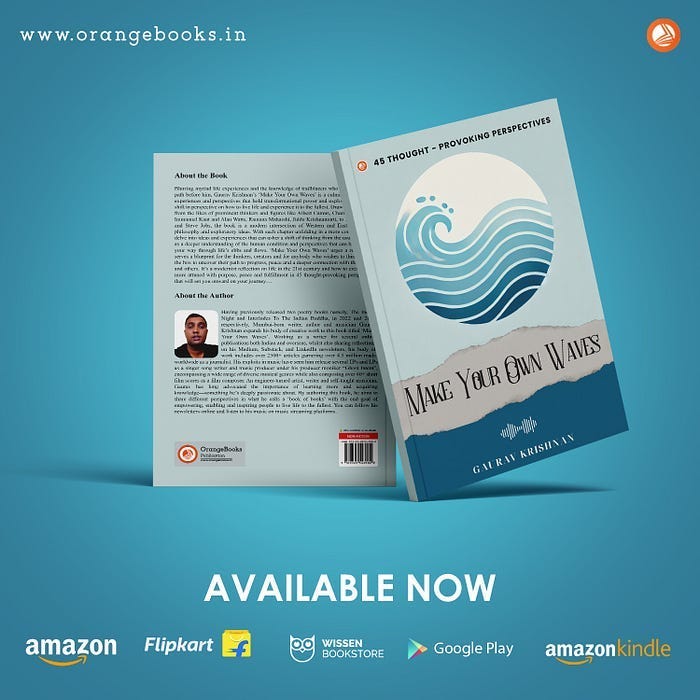
Earlier in October, I happened to stumble upon these two really powerful & insightful videos, which were rather eye-opening. (I guess the feed sometimes throws up interesting gems of content instead of the BS you usually get when you’re scrolling a social media feed. So I guess it’s not all doomscrolling after all. And you just have to filter out the good stuff from all the crap). Tulku Lobsang Rinpoche on Living In The “One Day”This particular video by a Zen master named Tulku Lobsang reiterates the mindfulness of living each day, being as present as possible in the “one day” and the moments of the day. He suggests that life isn’t a collection of days, or that a day is just a tiny part of a lifetime; that’s just logical thinking. But according to Lobsang, all that exists is the “one day”. Lobsang suggests that “You’re born in the one day, you live in the one day and you die in the one day.” Furthermore, he suggests that to have a “happy life”, all we need to have is “a happy day”. He compresses our lives & our lifetime into just “one day”, stating that that’s all we need to be aware of & live out fully. Living one day at a time, being fully mindfully present and active & engaging in activities that enrich the “one day” makes a happier & more fulfilled life, according to Lobsang. By not focusing our minds on the past that’s over or the future that is yet to come, and by simply engaging in the present moment of the “one day,” we can live a more peaceful day and, in turn, a more peaceful life. It’s a powerful & simplistic reminder that we can change our lives if we change how we view our days & just focus on “one day” (at a time), and live that “one day” being wholly present. So it’s not about your goals, targets, ambitions, or whatever you want to achieve in say a few months or a year, or a new year’s resolution etc, it’s about living in the “one day” and doing activities that enrich & make that “one day” a fulfilling day. It’s a simple concept, but it can be profoundly impactful if you truly understand it & apply it. 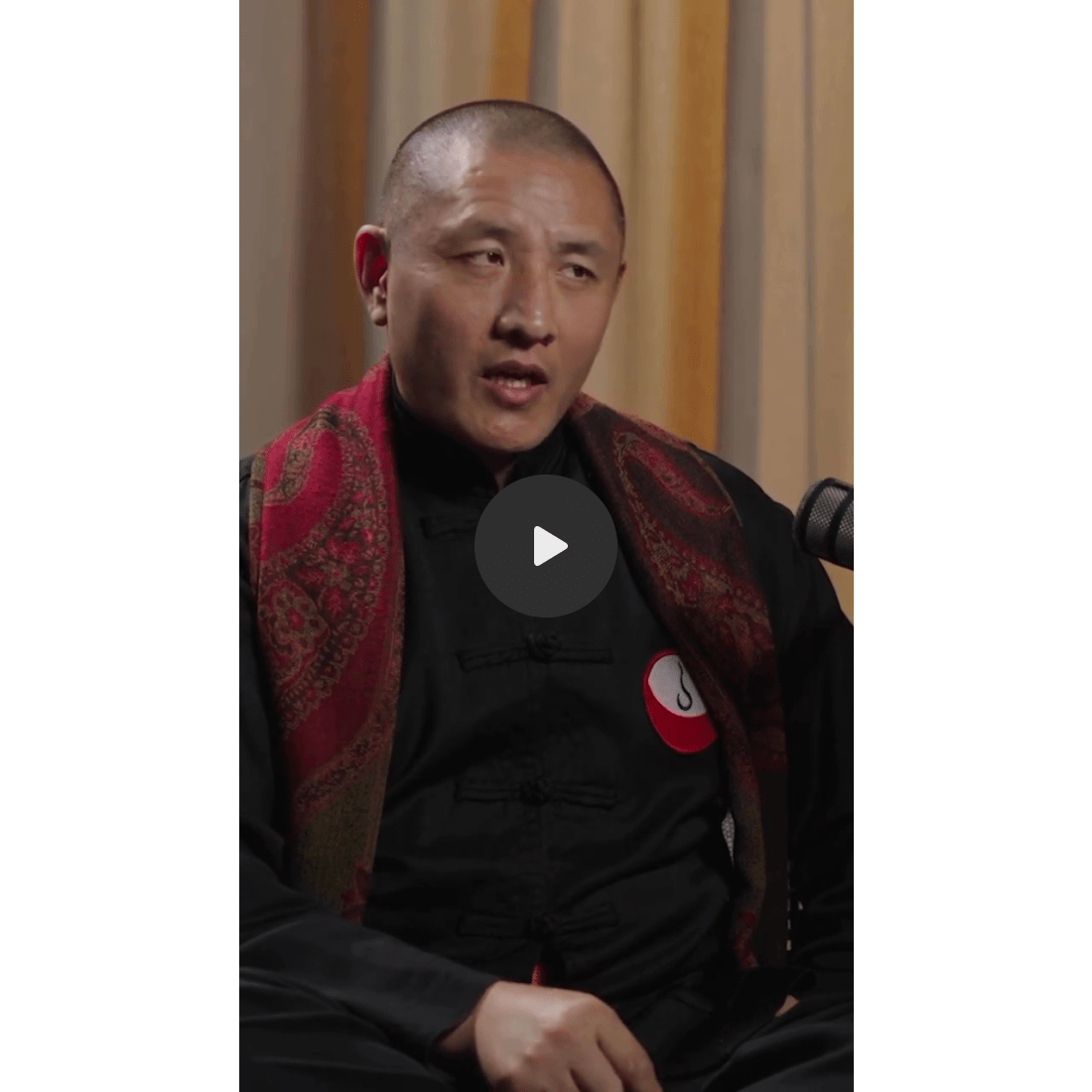 Alan Watts on TransformationThis video, narrated by Alan Watts, delves into the process of transformation, healing, change and growth. Watts argues that “your lowest point is the doorway to your highest self”, and that your low points mean that “something far deeper is taking place”, and that it’s a necessary part of life in that it’s a process of transformation. Watts suggests that all the pain & tough times we go through are essential for us to grow & heal. He says, “We often don’t realise the value of the darkness until it has passed, for only in the absence of light do we learn to become the light.” We all have our share of painful experiences & bad times, but it’s part of life, and we learn and grow from it. There’s always some bit of positives to take from those experiences & after you’ve overcome them or where you are now in life, i.e. how far you’ve come, how strong & resilient it’s made you, and so on. Watts further says, “the meaning of life is to just be alive”, further echoing Jikisai Minami’s philosophy in his book (mentioned above). But coming back, the video is a beautifully narrated piece of timeless advice from Watts that echoes that life is full of “contrast” and a process of becoming: a process of “breaking & rebuilding” as he urges us to give attention to our pain & embrace it. He asserts that we must embrace our pain, and not run from it, “Sit with it, listen to it” he says. Further exploring that it’s a part of our eventual transformation & the people we become over time. When we eventually rise from our pain & suffering, we’ll look back on those tough times & all the pain, and we’ll realise the lessons they taught us & that it was an essential detour and part of our “transformation”. And that the joy isn’t in the outcome, but in that very process of transformation. The reason I particularly like this video is that it’s a reminder that no matter how tough life gets or no matter what you’ve been through, you will eventually rise from it & look back on it as a part of the journey of your growth. Life is never perfect, but maybe the tough times are part of the process of us becoming our better selves, or as Watts suggests, “whole”. And in the process, we find out that the life we’re searching for isn’t something that’s to be found, but it’s who we are & who we become. 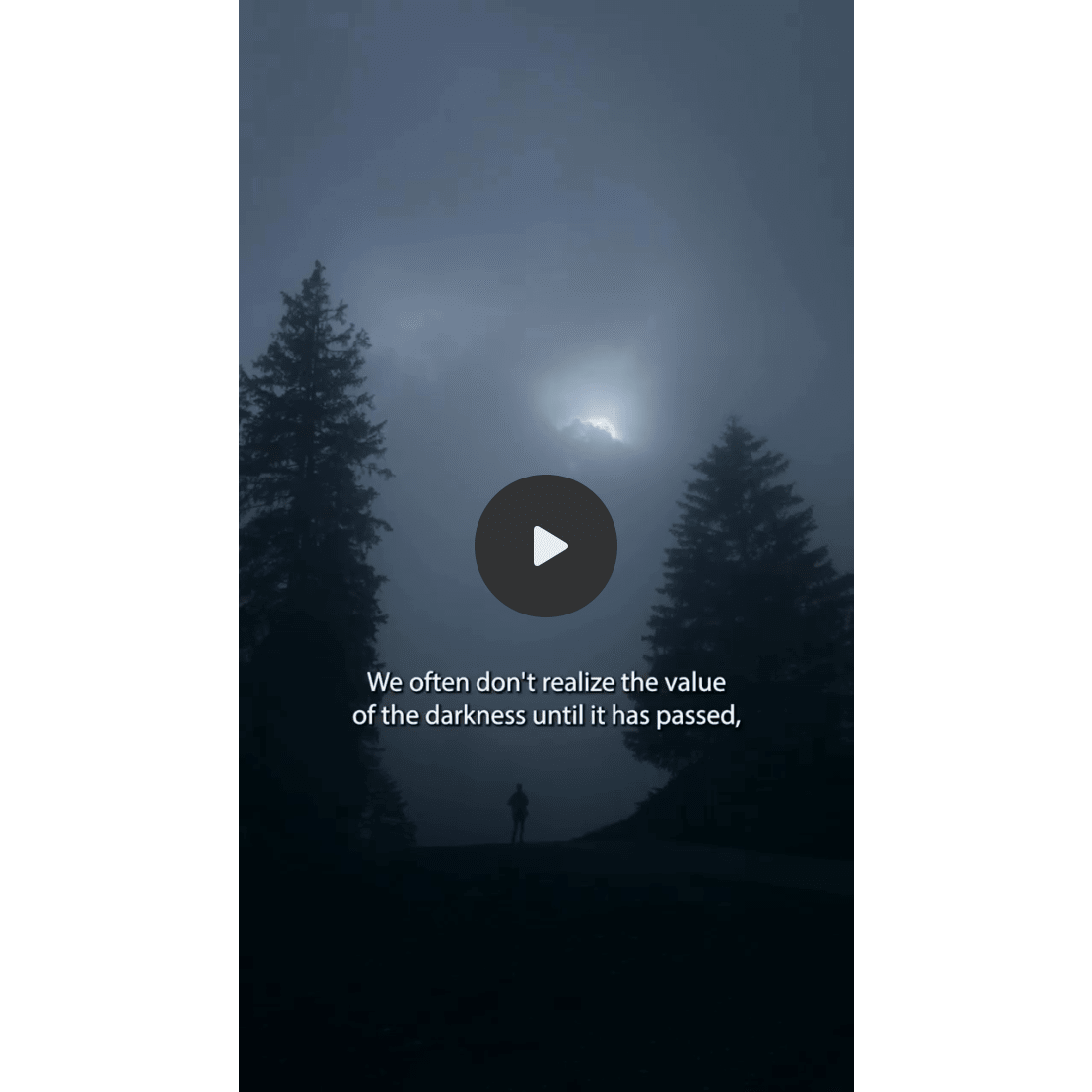 If you liked this article & it helped you in some way, you can buy my book Make Your Own Waves, which comprises 45 thought-provoking perspectives on life, which you can buy at the link: https://amzn.eu/d/dZaX8Dr If you’re in India, you can buy it here: https://amzn.in/d/fA4iDgb
Thank you for being a valuable subscriber to my newsletter Light Years! If you liked this post & found it informative, feel free to share this publication with your network by clicking the button below… I hope you found this post informative & it helped you in some way. As always, feel free to subscribe to my publication Light Years & support it & also share it if you’d like. Get it in your inbox by filling up the space below! You can find me on Medium on my Medium profile covering a plethora of topics (there’s a bit of difference between the posts here & there): https://medium.com/@gaurav_krishnan You're currently a free subscriber to Light Years by Gaurav Krishnan. For the full experience, upgrade your subscription.
|
Sunday, 2 November 2025
Two Short Videos On Eastern Philosophy That Are Life Changing





Subscribe to:
Post Comments (Atom)


No comments:
Post a Comment