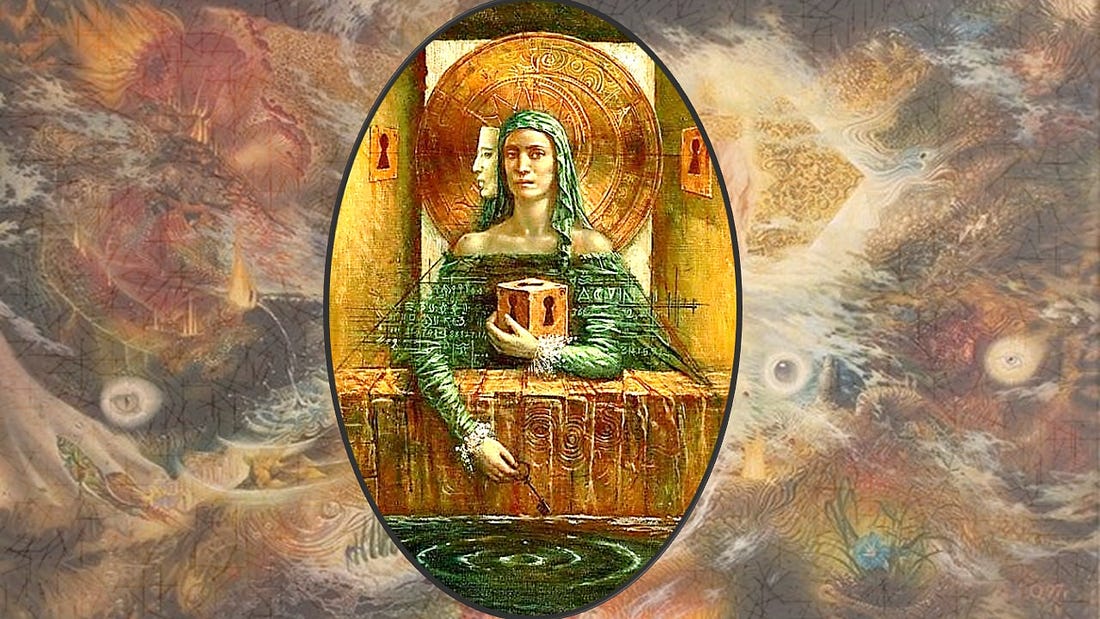
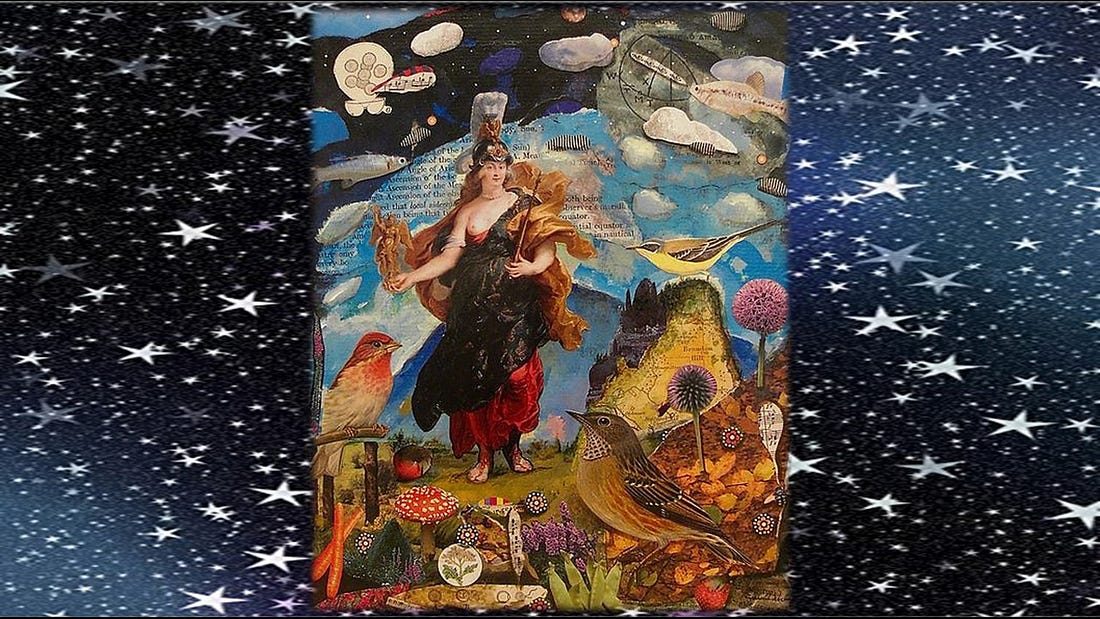
Proverbs 8-9: Is not Wisdom calling? Is not Understanding raising her voice? On the heights overlooking the road, at the crossways, she takes her stand. By the gates, at the entrance to the city, on the access-roads, she cries out: ‘I am calling to you, all people. My words are addressed to all humanity… Accept my education rather than hording silver. Cultivate knowledge of me in preference to finest gold. For Wisdom is more precious than jewels, and nothing else is so worthy of desire. ‘I, Wisdom, share house with Discretion, I am mistress of the art of thought. I love those who love me; whoever searches eagerly, finds me. ‘Yahweh created me, first-fruits of his fashioning, before the oldest of his works. From everlasting, I was firmly set, from the beginning, before the earth came into being. The deep was not, when I was born, nor were the springs with their abounding waters. Before the mountains were settled, before the hills, I came to birth; before he had made the earth, the countryside, and the first elements of the world. When he fixed the heavens firm, I was there, when he drew a circle on the surface of the deep, when he thickened the clouds above, when the sources of the deep began to swell, when he assigned the sea its boundaries, when he traced the foundations of the earth, I was beside the master craftsman, delighting him day after day, ever at play in his presence, at play everywhere on his earth, delighting to be with the children of men. ‘And now, my children, listen to me. Happy are those who keep my ways…”
This may be to you a myth-telling, a fariy-tale - or - a powerful Truth waiting to be re-membered - Read on & take it as you will:
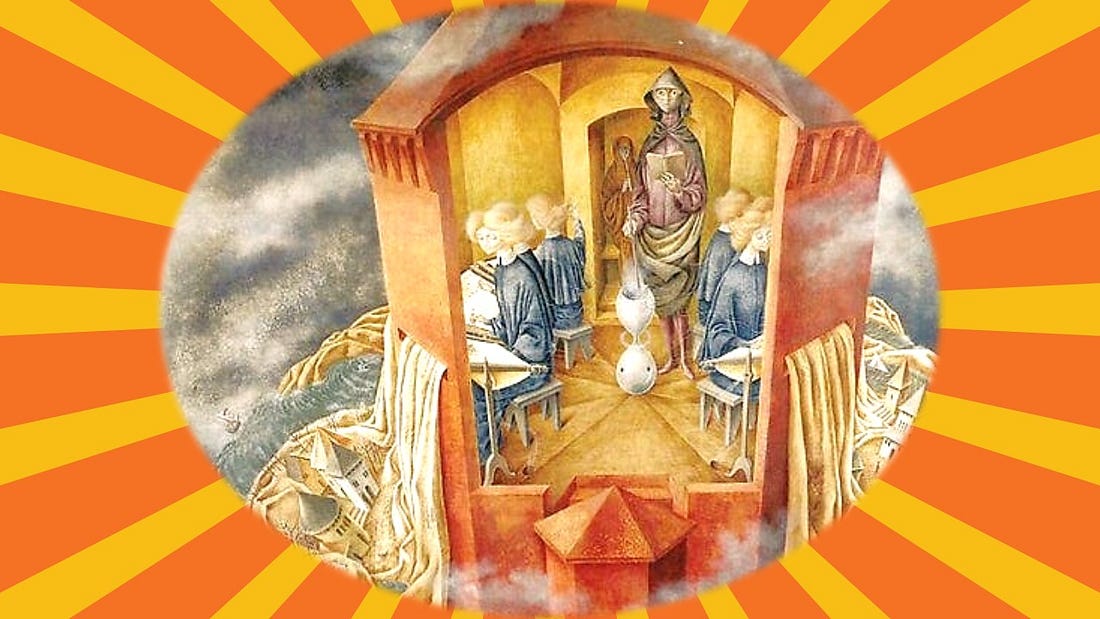
Sophia, the Being of Wisdom, apportioned to her begotten son - who was titled Marduk in Mesopotamian, & who we now call Michael - what she had bestowed on the Universe as the Cosmic Intelligence... This living imagination has existed even before the enacting of the Ancient Mysteries. Michael, whose name is a question - for it means: ‘Who is like God’? - Mighty son of Wisdom, governed this Cosmic Intelligence = which are the deeds of the Beings of the fixed & wandering Stars - from the Sun. During the time of ancient India, Persia & Egypt, our Day-Star-Sun was also the dwelling place of the Being of Love, who we call The Christ. This was before his coming to earth to perform the deed of transforming death into Life. After The Incarnation, Michael graduated from his task as the Choir Master of the Cosmic Intelligence, to follow the Christ who is now dwelling on the earth. Gradually, Michael transferred the administration of Sophia’s gift to the human being, so that 1st we could develop human intelligence, which we are to use for the reclaiming of the Cosmic Intelligence. But this transition put Sophia’s gift in danger of being taken hold of by the spirits of darkness who fell to earth when Michael banished them from the heavens - for these adversarial beings gain power thru promoting divisive materialist thinking in the human being, to prevent us from reaching our highest destiny.
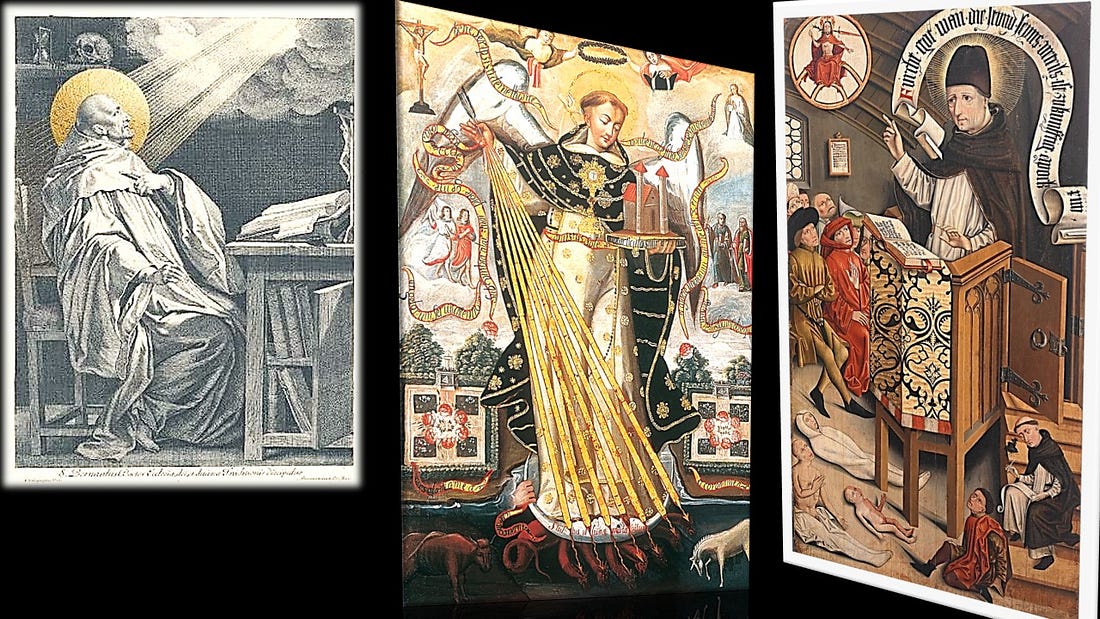
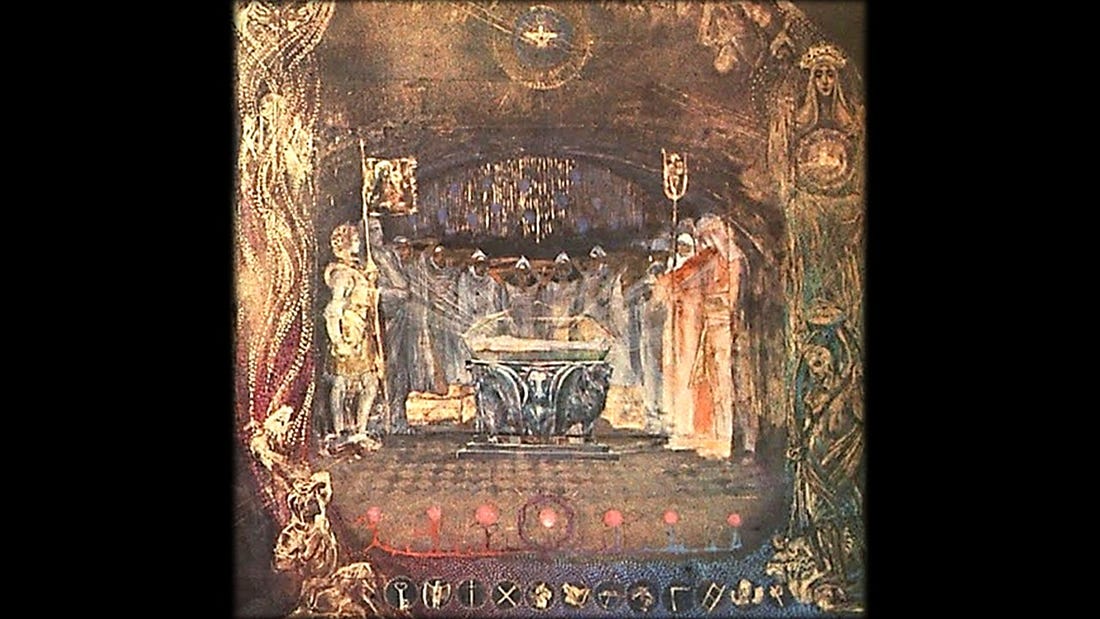
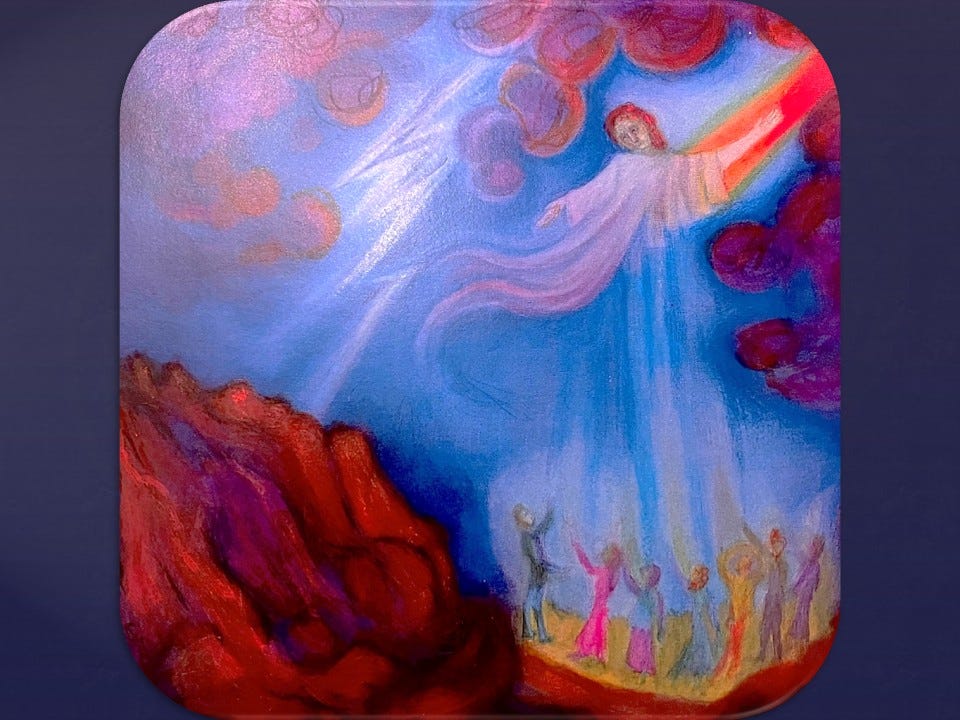
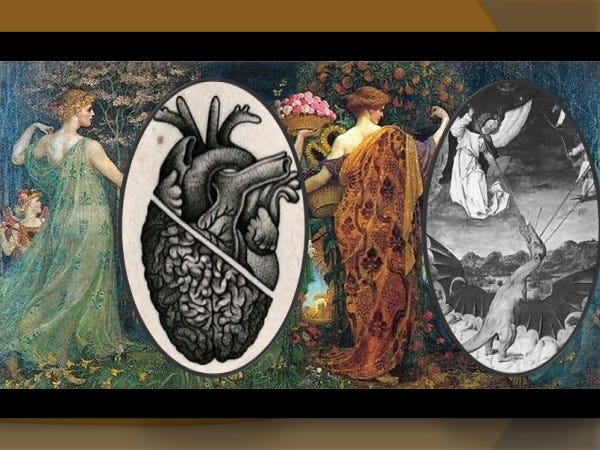
Meanwhile, down below living on earth starting in the 8th & 9th centuries, there were mighty souls such as Bernard of Clairvaux - Marian mystic, co-founder of the Knights Templar; Thomas Aquinas - The “Angelic Doctor:, who synthesized Aristotelian philosophy with Christianity; & Albertus Magnus, his teacher - They were able to strongly feel this shift in the transference of the Cosmic Intelligence. Thru their spiritually developed clairvoyance these souls were able to turn to Michael, the Son of Wisdom, with a petition asking what could be done? – beseeching to know if the fallen Cosmic Intelligence which now lived in the head of human beings, could be Spiritualized & unified once again with the heart in order to return it to Christ/Michael in a new way - to fulfill the Divine Plan in human evolution? – What can we do as human beings to reclaim our thinking from those destructive adversarial beings who work to mislead & debase humanity? The whole matter was set forth as an appeal before Michael who pondered these questions, calling together other altruistic Helper Beings into a kind of Supersensible Conclave during the 13th century. Spiritual Science shows how this human plea received a positive supportive response from Michael - giving birth to what can be called a great “Supersensible Michael School”, culminating in a “Cosmic Ritual”, which took place in the region of the Sun – in order to educate those souls willing to reclaim the Cosmic Intelligence.
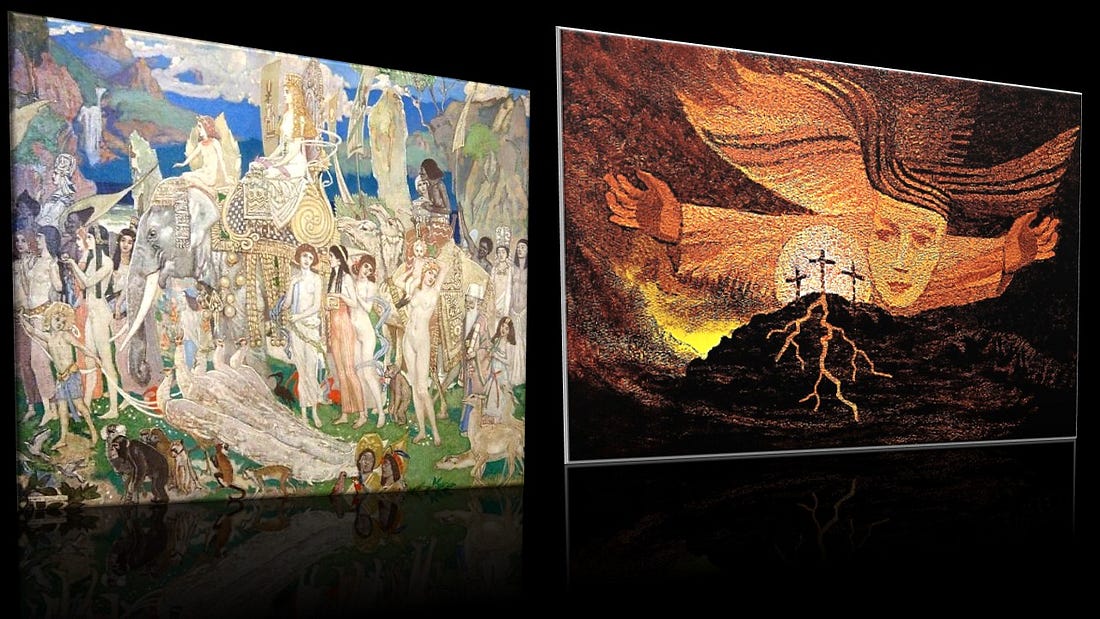
At the same time on earth, another convergence occurred - a circle of 12 Wise Teachers gathered around a 13th – a special boy – who in a past life was Lazarus, the 1st Christian initiate, raised from the dead by Christ, to become John the Evangelist. As the 13th, the boy took in all the Wisdom of the 12 to become Christian Rosenkreutz in his next life, founder of the New Christian Path of Initiation thru the Rose Cross. This helped infuse the Michaelic impulse so that from the 15th to the end of the 18th centuries, representatives from 2 main groups of souls working to reclaim the Cosmic Intelligence – which Rudolf Steiner called: “young souls” giving the example of the Shepherds/Platonists; & “old souls” exemplified by the Kings/Aristotelians -gathered around Michael – to become pupils in his Supersensible School. One group attended the School while they were in-between death & re-birth; the other group who were incarnated on earth, attended thru meditiation. In response to the question of just how many human souls participated, Rudolf Steiner reported that around “7 million” took part in the Michael School. They were also joined by mighty Spiritual Beings from various Angelic Choirs.
What was taught in the Michael School was how the inner essence of the Old Mysteries had to be reclaimed & transformed to incorporate the innovative impulses raying into earth existence from Christ’s deed of Love, which created a Turning Point of Time, requiring New Mysteries for the future. The life of Christ was the blueprint of the curriculum – recalling how the Risen One himself had gone thru the occult academies of the Old Mysteries in order to see how they prepared the way, but fell short for what was to come thru Bringing Love into Wisdom. In his Supersensible school, Michael recapitulates all of this - cultivating in his students a Wisdom of the essential nature of the Mysteries on earth - from the past, to prepare for the future.
Then comes the culmination – a kind of graduation ceremony - a reverent celebratory ritual. For almost 30 years, from the end of the 18th century into the first third of the 19th century, (not so long ago) the whole Supersensible school was brought to a close in a Supersensible Ritual-Cultus - & for the 1st time now the “young” & “old” souls are here on earth together.
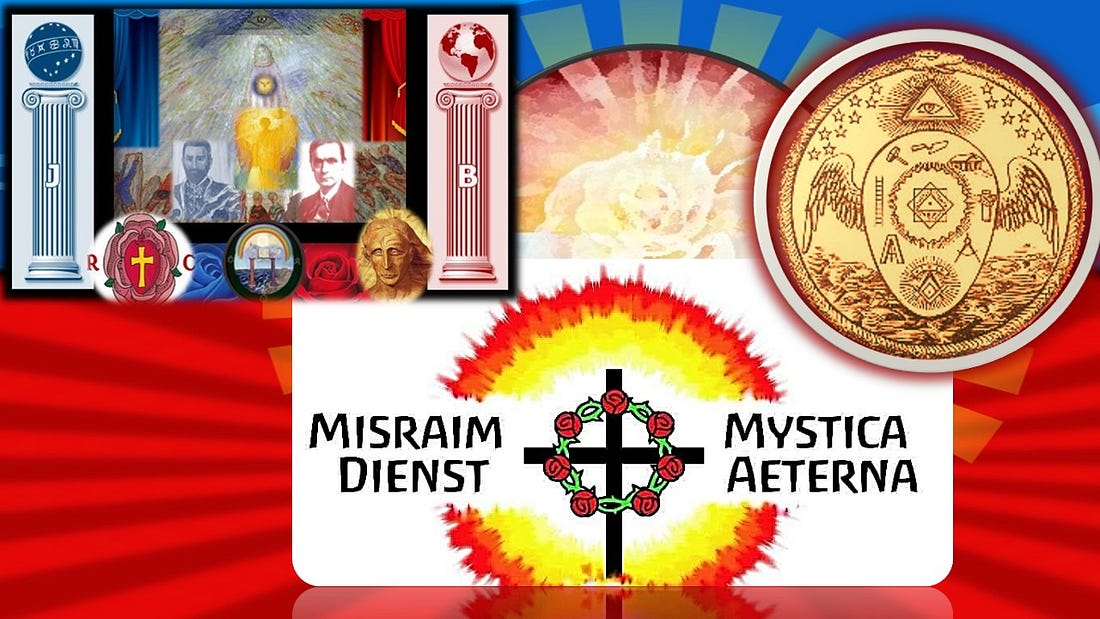
Rudolf Steiner speaks quite extensively about this in his esoteric lessons - that everything taught in the Michael School, which became thru Steiner the “1st Class Lessons of the School of Spiritual Science”, was now summarized & applied in the “Cultus” – The lessons of the Michael School were ritualized - becoming powerful Cosmic Imaginations - which Steiner put into practice on earth in his “Cognitive-Ritual section” thru the “Misraim Dienst” of his Modern Rosicrucian Lodge “Mysteria Aeterna”.
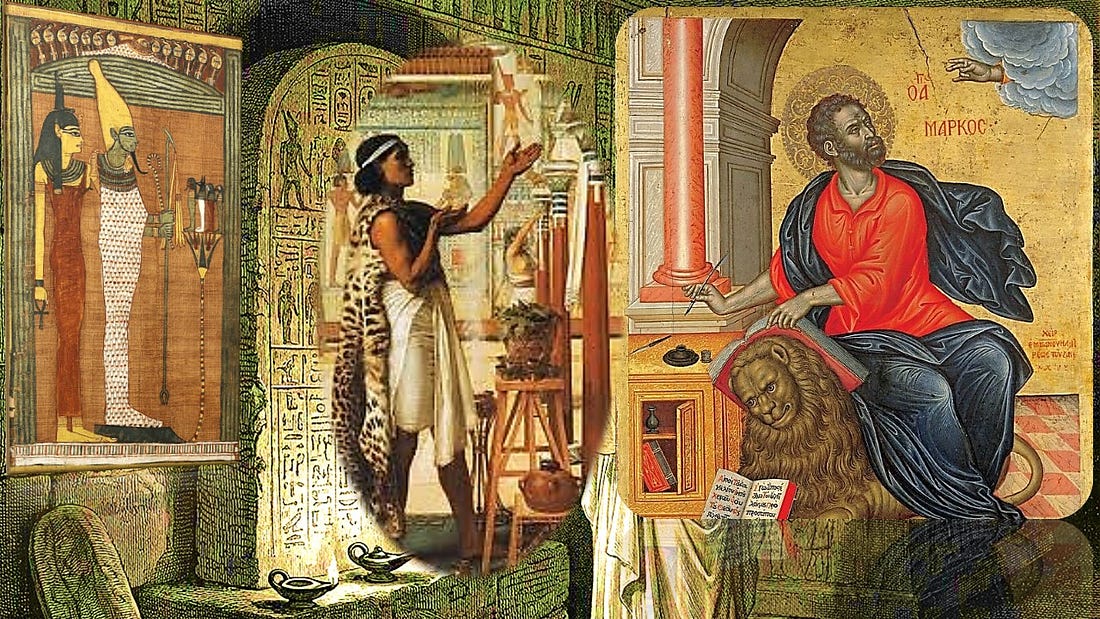
These Rites enact the transformation into the “Reverse-Ritual” founded by the Gospel writer St. Mark, & the Egyptian Priest of Isis, Ormuz – of which I spoke about recently in this essay
Thru this, a kind of Being – a positive egregore consisting of Beneficent Cosmic & Earthly forces was formed – the Quintessence of the mighty Imaginations of the Michaelic Cultus. In connection with this Cosmic Ritual, it is important to see that many High Beings of the Angelic Hierarchies were/are, present – & working in this egregore - including the Being of Christ Himself who takes part in it – initiating into the Cosmic Cultus all the souls from the 2 groups who took part in the Supersensible School – if it is their will. The Being that arose from this Cosmic Ritual - invoked into the earthly world thru Rudolf Steiner - is Anthroposophia - a human Sophia – an Egregore of the Wisdom of the human Being – a role-model of our Original Divine Nature - reminding us of what we can become.
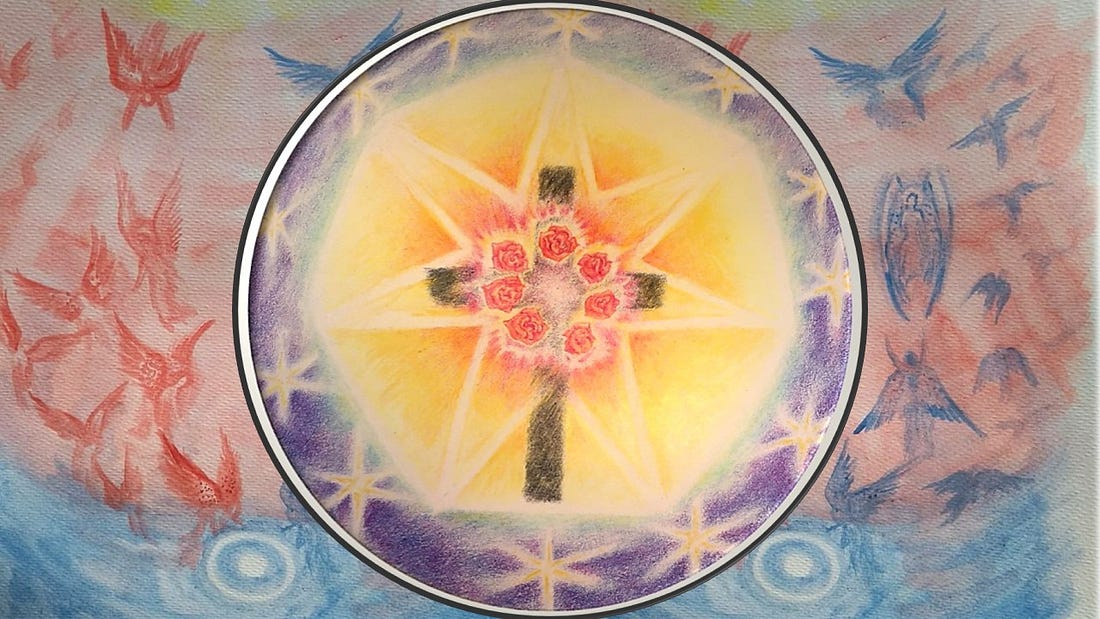
Rudolf Steiner gives another name for the essence of this Being: The New Christianity of Rosicrucianism – where the 2 main soul groups, young & old, meet to form a middle way. We can say that this Human Sophia - which enables us to embody the Logos - is a new form of Christic Wisdom - a necessary addition to what was developed in the Ancient Mysteries. The Supersensible cultus which now finds its reflection here on earth – is recalled - as the service of esoteric Cosmic Christianity - as a Grail Rite - as a Templar liturgy - as a Rosicrucian Praxis - So dear friends, if we turn our imagination back to the Supersensible Cultus – the fruit of the Michael School - Perhaps we can remember ourselves there? Were we 1 of the 7 million? And do we now feel called to consciously enliven Anthroposophia in our earthly lives & in world..? Anthroposophia’s task in us, is the reconnection of the Spiritual world with the physical world.
I tell of a time, a turning point, take it into sleep my friend What had a start you must amend - to awaken this truth-tale that will accure Today our tale begins again - Round & round forever anew – Circle without end. May our souls be filled with this savory stew – Go on now, chew our story thru & thru – Until we meet again. ~hag
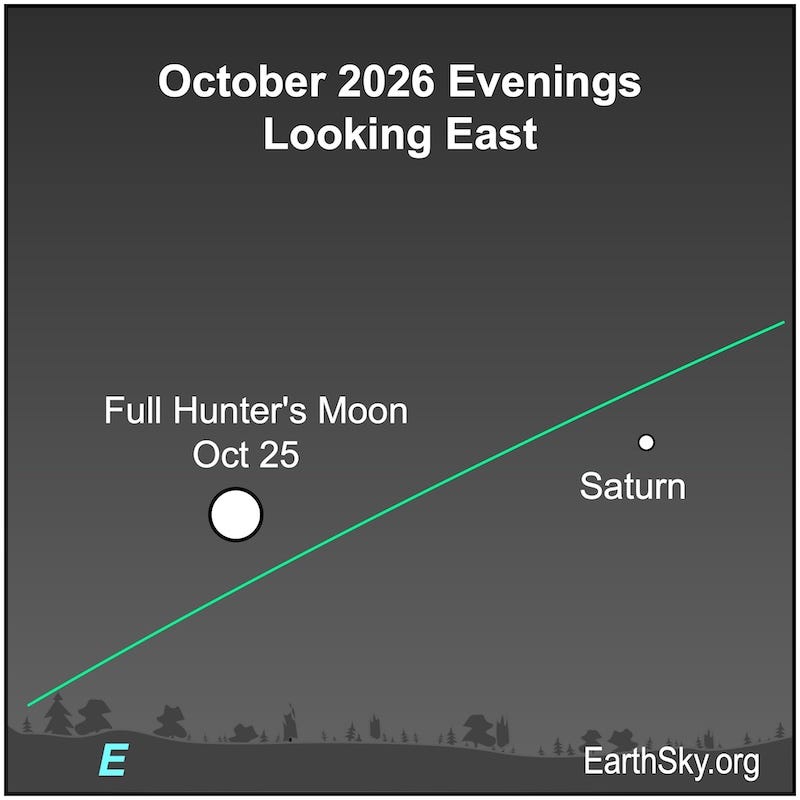
25 October 2026 - “Speaking with the Stars” - The Full Hunters Moon communing with Saturn the Great Initiator - guiding us into the Final Harvest of All Souls-Tide.
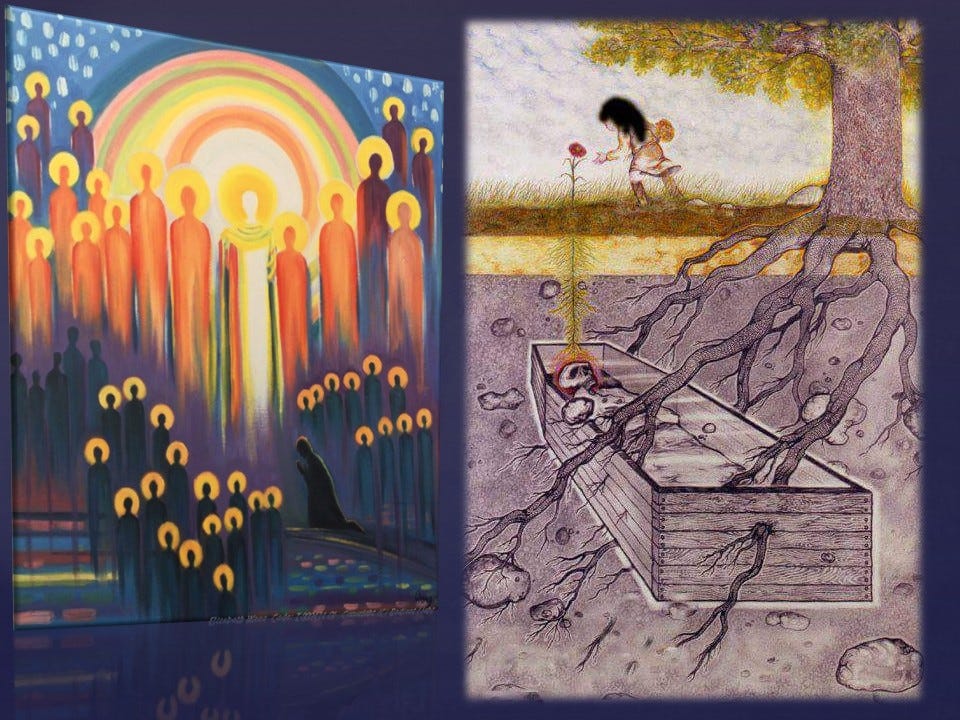
Soul to Soul – a Festival to Honor our Beloved DeadAll Saints Day Sunday 1 November 2026ALL are Welcome @ the Spirit Lodge in Spring Prairie WI. 1:45 pm – Doors Open - in the kitchen the Children color wind chime trail markers 2pm – In the Living Room: Share a story of someone across the Threshold who influenced your life – Bring their photo for the altar if you like 3:30pm – Downstairs: a Tone & Color Gesture Art Offering w/ our Beloved on the other-side - Sounding Bowl – Petra Zinniker – vocal toning = All Family POTLUCK: Share a favorite food that your Dear Departed One loved RSVP: Hazel@CogRite.com
To honor & foster the Christian Community of Southeast Wisconsin, we gather for ‘Devotional Services’ in-between Priest Visits. All are welcome to join in this opportunity to come together for devotion, reflection, & sharing. 29 November - 13 December Please arrive by 10:15 am so that we can be ready to begin promptly at 10:30 am– when the Consecration of the Human Being is being celebrated all over the country 11:30 am - Optional Potluck-Social Time (food contributions welcome) Families welcome - Children can play downstairs during the service. RSVP hazel@CogRite.com
Consider becoming a free or paid subscriber to Cognitive Ritual: Confessions of a Modern Rosicrucian - with every $ going to support Zinniker Farm Want to bring Biodynamic Preparations to your land? Get your Zinniker Preps HERE
The Cognitive Ritual is a Free Will Offering to All worlds. Please Share freely
Greetings Friend, you currently a free subscriber to Cognitive Ritual. Thank you for receiving my workings freely offered. For the full experience, upgrade your subscription. ALL donations go to support Zinniker Farm - The oldest Biodynamic Farm in America! Together we can spiritualize the Universe. XOX ~hag
|