Imbolc on the ‘I Think Speech‘ podcast
I know - it’s hard to remember when the skies are steel grey, & the ICE gangs bite -that stirring in the wind, is the promise of Spring – waiting - to be ignited by the passion of our purpose.
Can you feel the energy of the Earth…Quickening…I feel it groaning & stretching in the earth of my body…Like a snake trying to shed its skin - like a molting bird…Dancing in the silent belly of February…So much to do…So much to Be… Can you feel the growing rhythms - as the Full Wolf Moon rouses us?
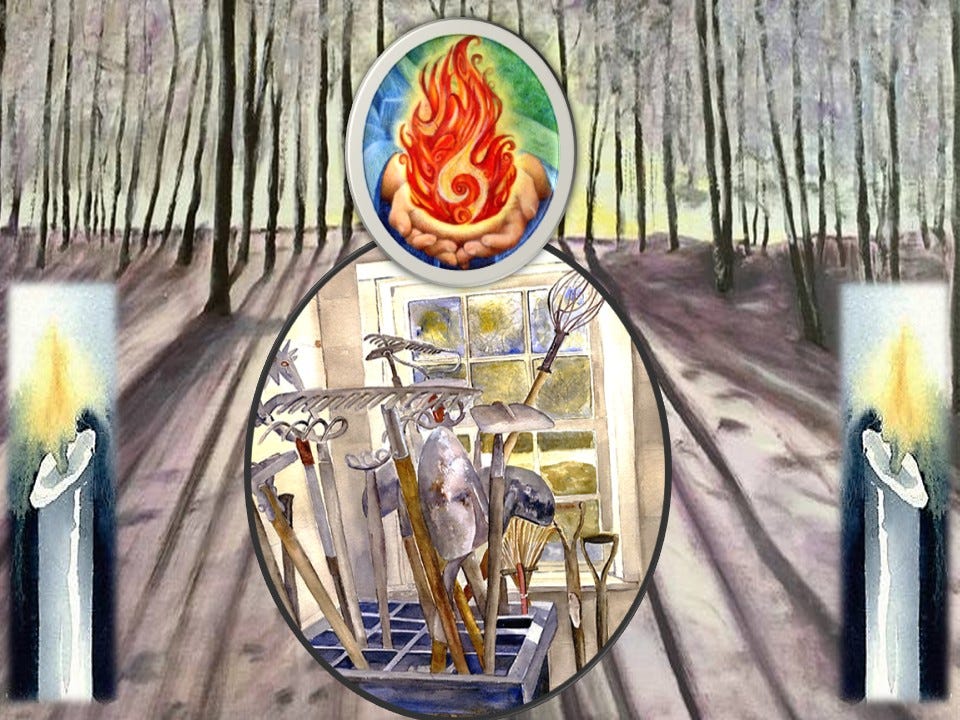
It’s time to start planning what we will plant - not only in our fields - but in our soul garden, for the roots are stirring under the snow. It’s time to purify & get fertile. So let’s charm the plow – Kiss the candle, & gather the wood to kindle a need-fire, as a welcoming beacon, to call back our dormant power - to heat up, our potential, & re-seed our creativity – as we add fuel to the fire of our community. One spark warms us all – A purifying fire, that burns clean & opens the way to the true power of love & light from deep within us.
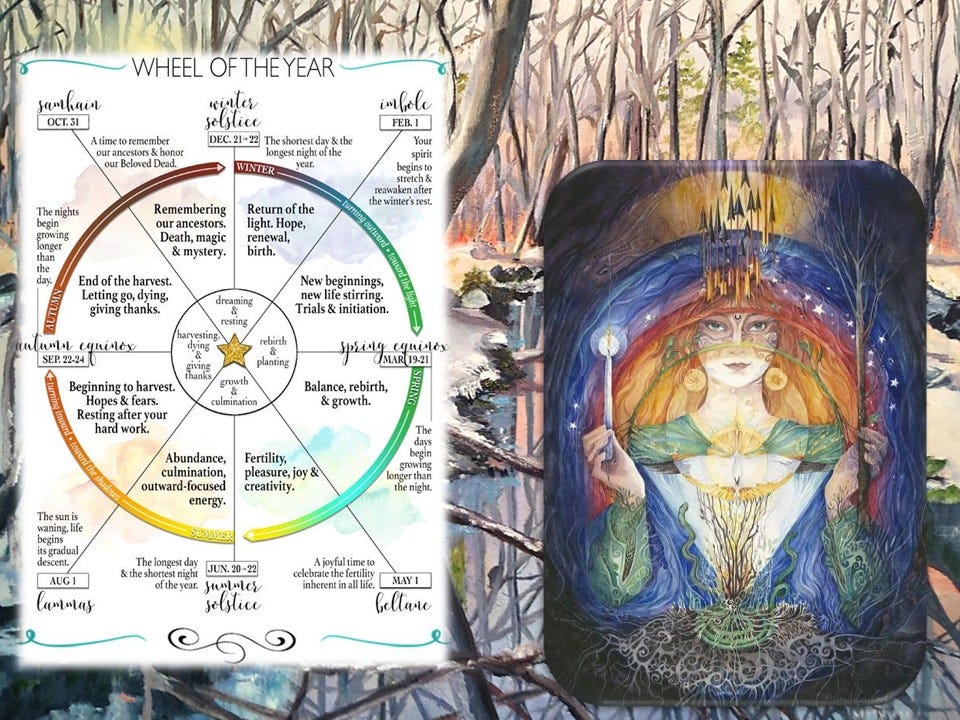
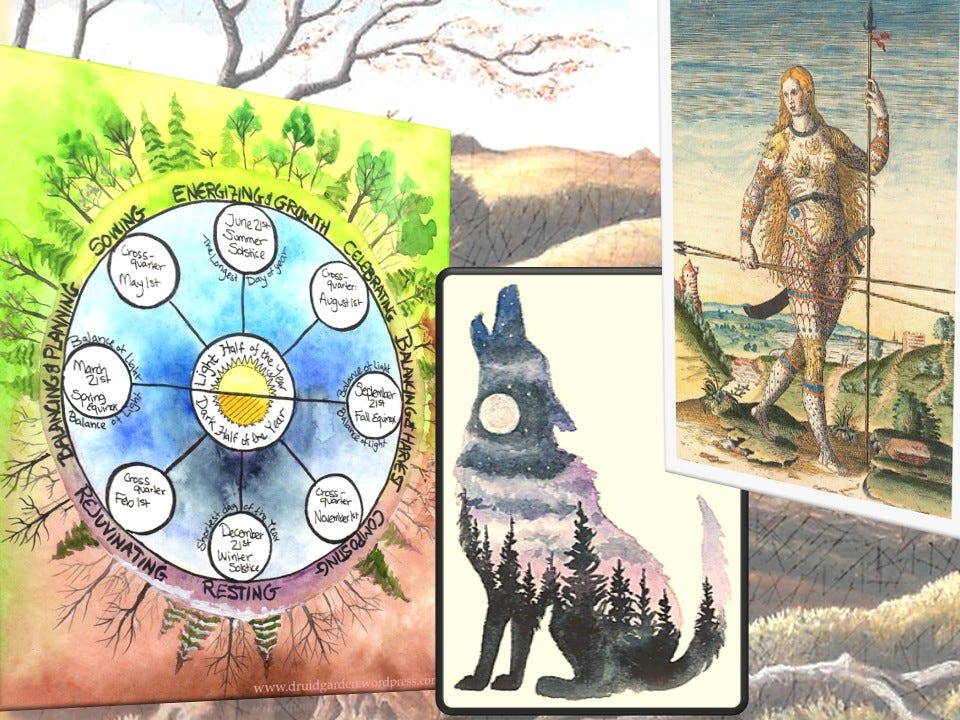
The Cross-Quarter betwixt the Winter Solstice & the Vernal Equinox is not only intuited & out-pictured in Nature, it is determined by a Cosmic Conversation - that speaks to us of the Sun at 15 degrees of Capricorn - & that hits on February 5th - But most folks celebrate on the fixed date of February 2nd - which the muggles call Groundhogs Day - when the fate of Winter rests on the shoulders of a furry rodent. Today & everyday, dear friends, we can be like the groundhog & look for our shadow.
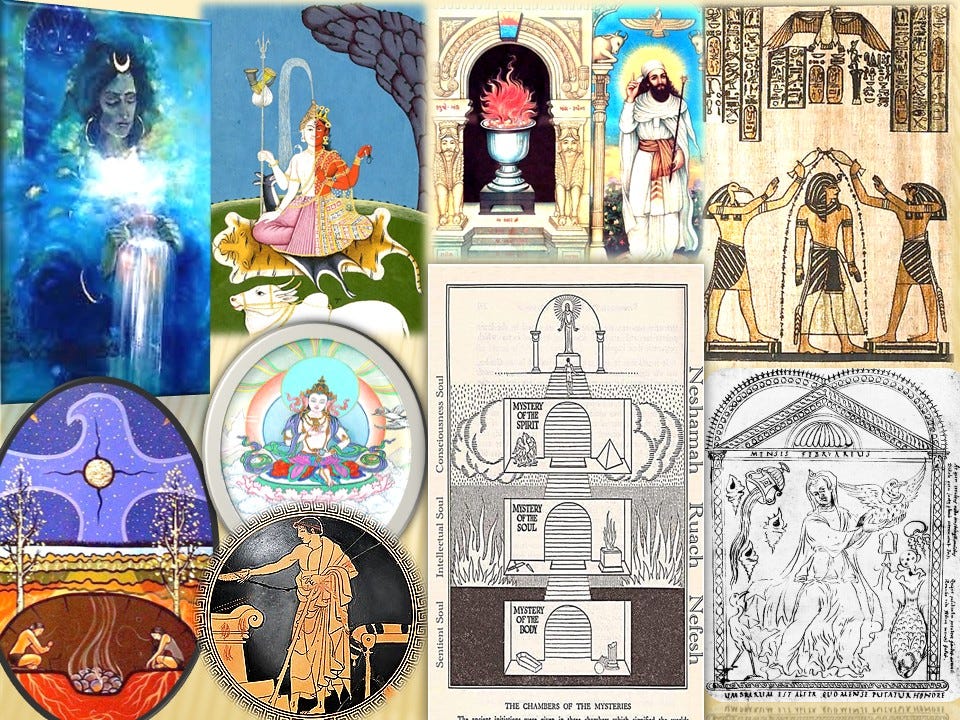
In the age of the ancient Mystery Schools this was a time of Initiation - a time of Purification & Re-Dedication.
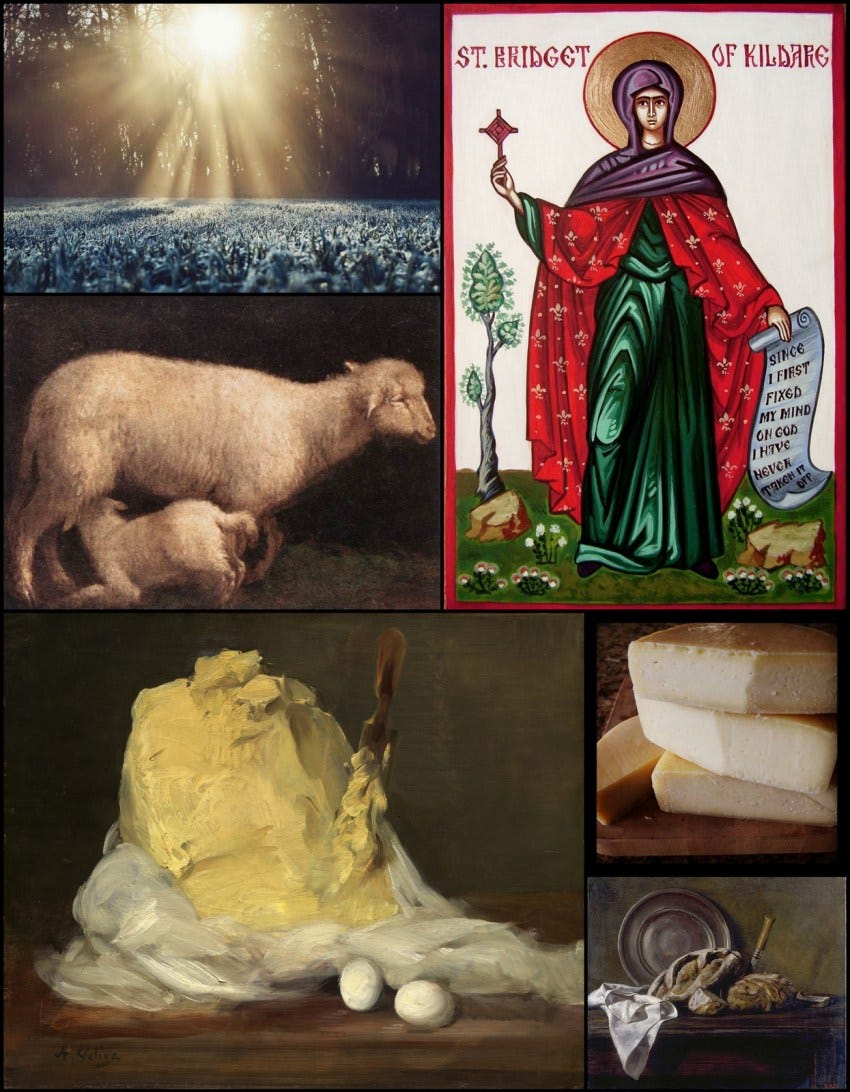
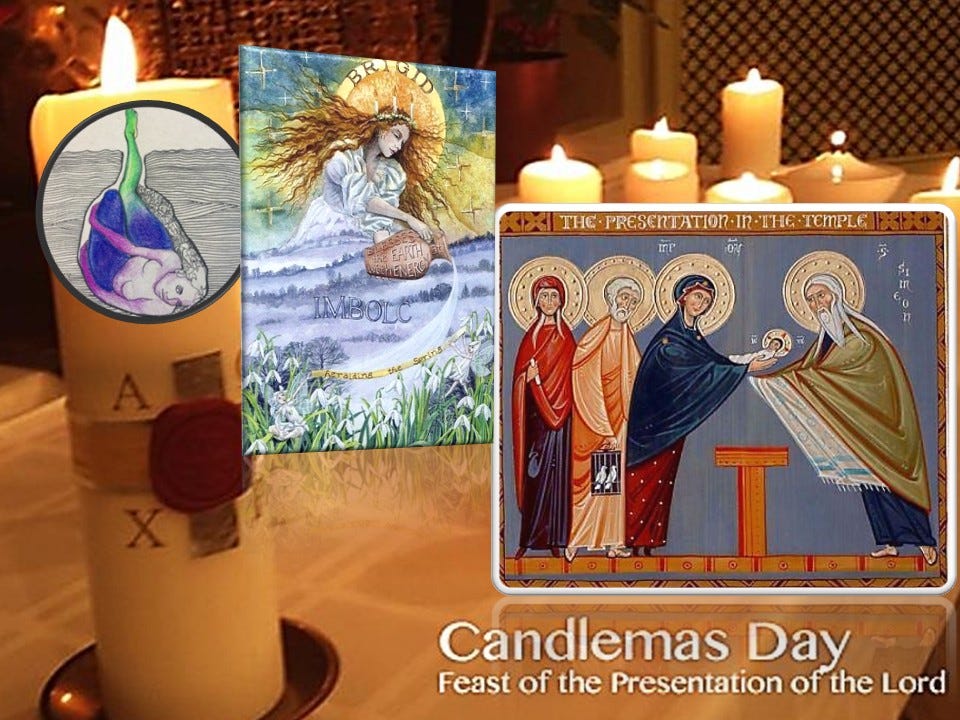
For the Celtic tribes, who were very much in touch with the cycles of the Seasons, this is called Imbolc – which means – in the belly – it’s the lambing season - & the milk begins to flow - It is known as ‘Celtic Spring’ – the time of year when the belly of the Great Mother Quickens with the leaping Light.
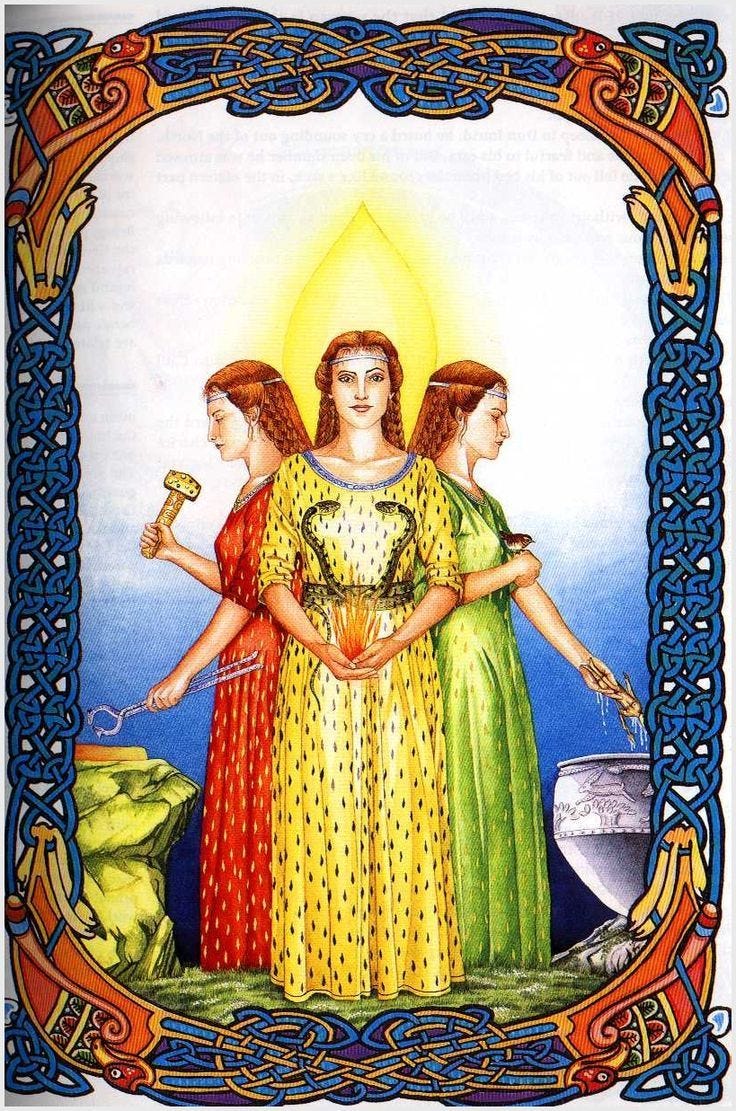
This time is dedicated to the Triple Goddess Brigid, holding the power of the Maiden, Mother, Crone - Embodying the Mysteries of the Sacred Well - Connected to Purification - & the Fires of the Forge - to call in the Will of the Sun.
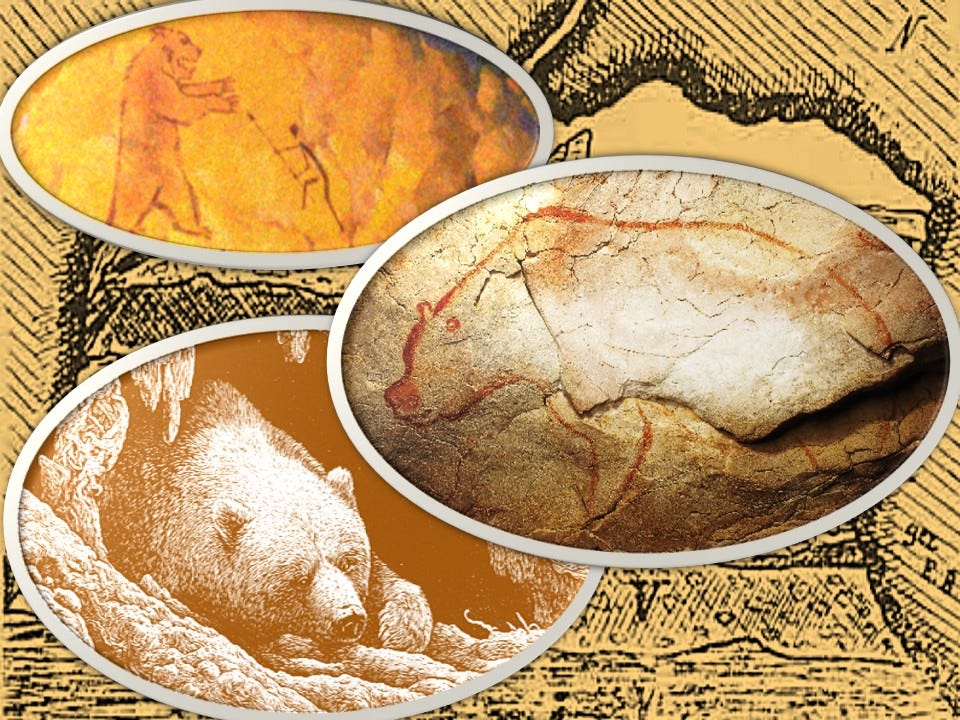
In antiquity - as early as the time of the cave people - it was known as the Feast of the Bear - the end of hibernation.
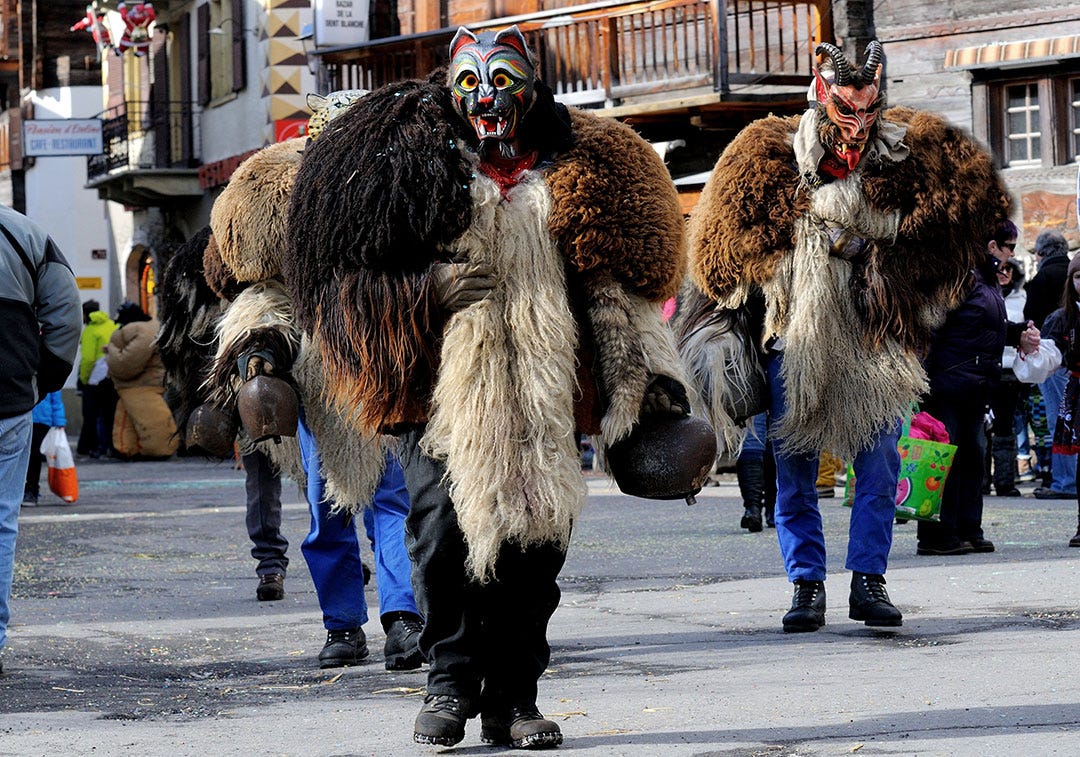
Later, of course, it was adopted by the Church - as the Feast of the Purification of the Blessed Virgin Mary - since this Cross-Quarter comes 40 days after the Christmas-Epiphany Season - the end of the ‘Temptation in the Desert’. Interesting how many traditions mix & overlap. The ‘Feast of Candles’, or ‘Candlemas’ was instituted by the Church in the 5th Century. Candlemas used to be called “Chandelours” which means bear in in many areas of France, (including the Alps, Pyrenees, Ardennes) where the memory of the ‘Cult of the Bear’ is still very present.
Candlemas also comes near the beginning of the Carnival time - where the bear is the Carnival animal par excellence. (O & Remember that movie with Darrel Hanna, The Clan of the Cave Bear…?)
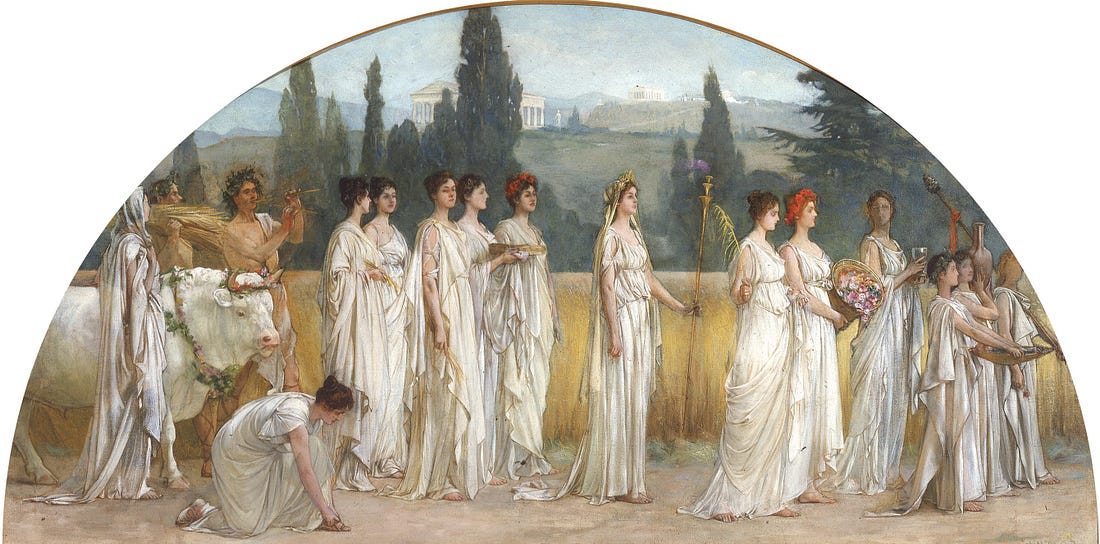
In ancient Greece this Threshold time was connected to The Festival of Persephone & Demeter, celebrated exclusively by the woman, in an elaborate 3 day ritual, called Thesmophoria.
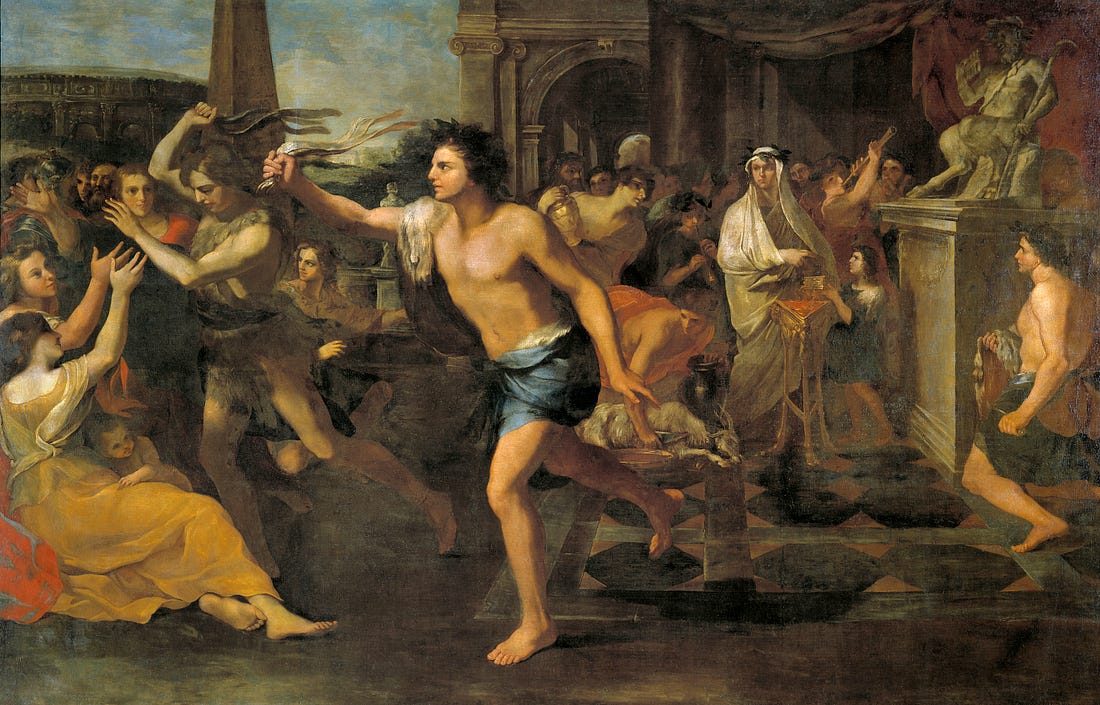
Spiraling down the line, the ancient Romans called it Lupercalia - a Festival very much like Mardi Gras - which I will talk about when we come to Valentine’s Day.
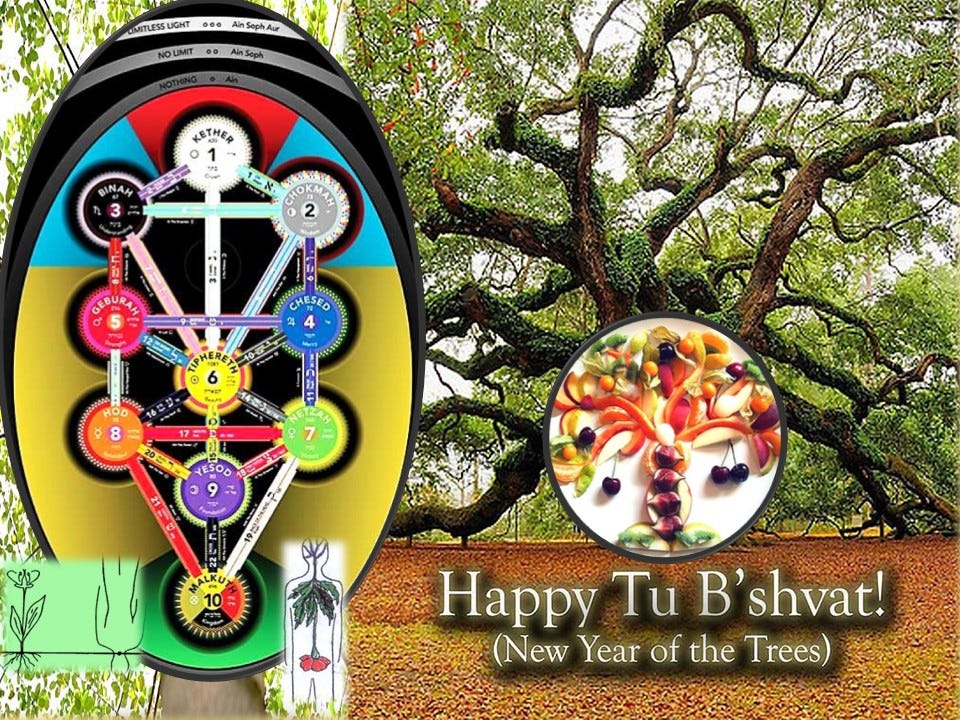
In the Jewish Kabbalistic Tradition, Today starts the Feast of Tu’B’Shvat - known as ‘The New Year for the Tree’ - When the sap begins to rise – This Holiday provides an opportunity to repair the breach in the Garden of Eden when the fruit from the Tree of Knowledge of Good & Evil was eaten before it was ripe.
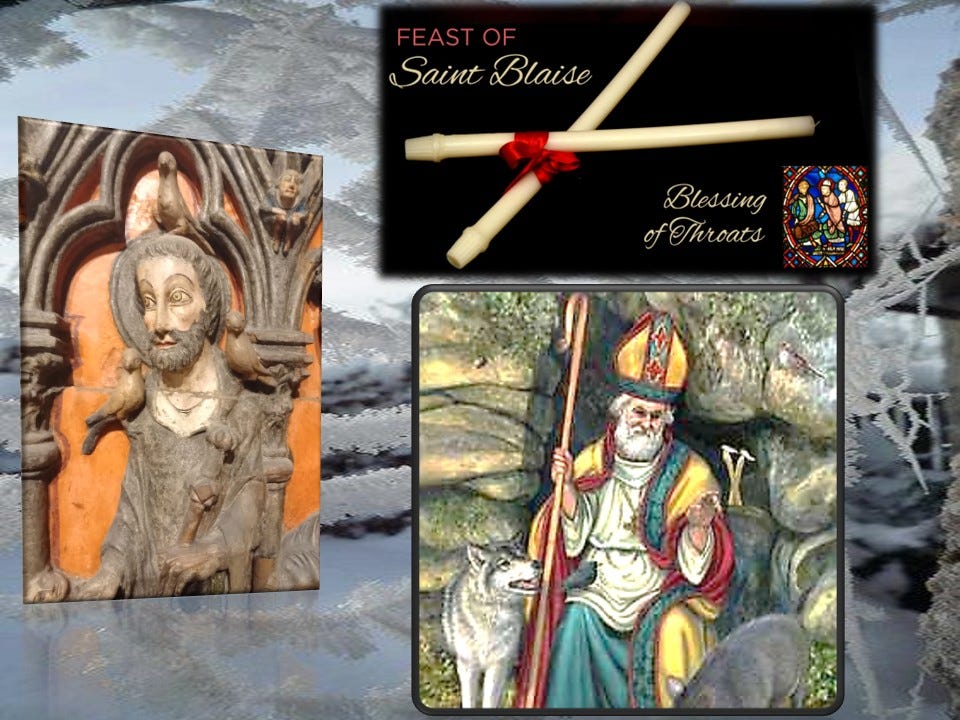
There is also the Feast of Aosta Saint-Ours - to call back the birds - & Saint Blaise, the physician who blesses the throat chakra with 2 crossed candles.
Together, with the power of these many mythoi in mind, we can thaw the ICE in the world - & rouse the Mysteries Quickening within… ~hag
2026 is off to a great start at Zinniker Farm - All 17 of the cows & heifers are pregnant - Different breeds of meat chickens, & pigs are on the horizon – The Pfeiffer Wheat is selling like hotcakes - And Aidan Benkowski is officially joining Mark & Petra as a full-time farmer! All are invited to come together on the Full Quickening Moon to celebrate the Farm, & the Cross-Quarter: Brigid’s Crossing – a Benefit for Zinniker Farm1 – 3 pm Sunday the 1st of February 2026Head, Hands, & Heart – Come for part, or all of the afternoon 1 pm – Leading Thoughts & a Guided Meditation for Adults*** 2 pm – A Storytelling for Children of all ages2:15 pm - Crafting a Brigid’s Cross$20 more or less Love Donation goes to Zinniker Farm – or better yet: Snacks to share Welcome Location: Depending on how many RSVP – either at Mark & Petra’s on the farm, or Chuck & Hazel’s down the road RSVP Hazel@CogRite.com ~hag
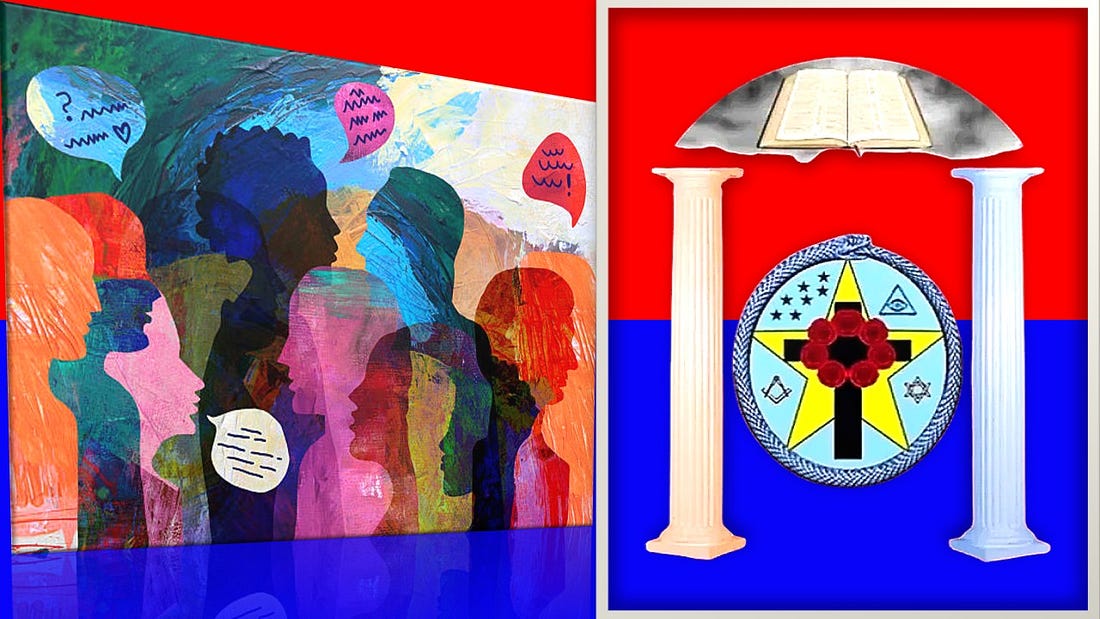
Join Mysteria Mystica Americana on-line for:‘Conversation: more Precious than gold’An interactive Zoom call with members of the Grand Lodge7-8:30 pm Central TimeMonday 2 February 2026At the Cross-Quarter Between Winter & Spring MA is the North American representative of the International Misraim Alliance – a ritual order transmitting the Rosicrucian-initiatic system of Rudolf Steiner. Join the Zoom Meeting https://us06web.zoom.us/j/7050174041?pwd=IHmFS9yuzUXffIXg5b4OojEMtLzbFA.1&omn=83821246620 Meeting ID: 705 017 4041 Passcode: MA
Here’s the link to a compendium of Free Video Presentaions
If you want to support the Spiritualization of the Earth thru the Biodynamic Farming done on Zinniker Farm, you are invited to become a paid subscriber, with all donations going directly to the farm The Cognitive Ritual is a Free Will Offering to All worlds. Please Share freely
Greetings Friend, you currently a free subscriber to Cognitive Ritual. Thank you for receiving my workings freely offered. For the full experience, upgrade your subscription. ALL donations go to support Zinniker Farm - The oldest Biodynamic Farm in America! Together we can spiritualize the Universe. XOX ~hag
|
Saturday, 31 January 2026
Betwixt








Subscribe to:
Comments (Atom)
Meet me in the Upper Room
“Maundy” comes from the Latin term mandatum= commandment - “A new commandment I give to you: Love one another. Just as I have loved you, lov...


